Hickory Tree Removal in Duluth, MN
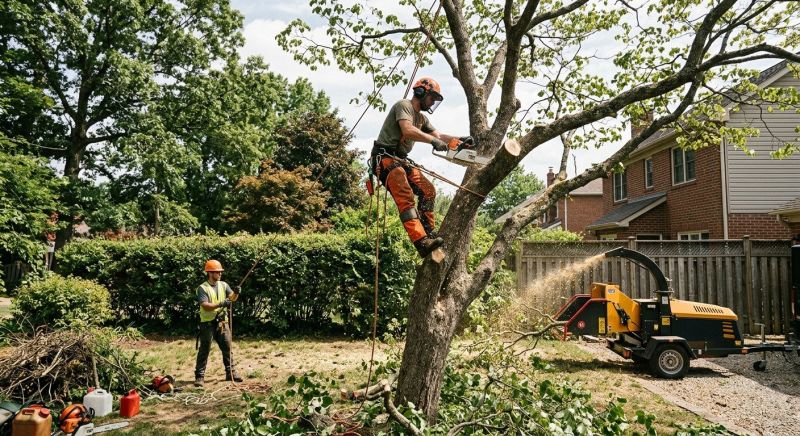
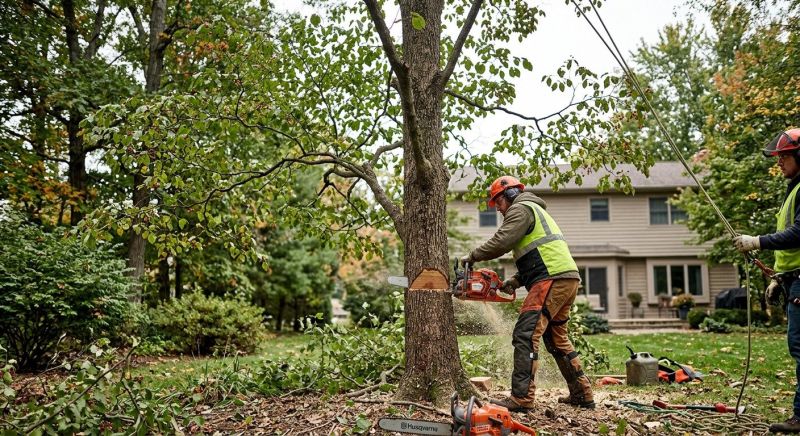
Hickory tree removal services involve the careful and efficient elimination of unwanted or hazardous trees from residential properties. This process is often requested for trees that are diseased, damaged, or pose a risk to structures, power lines, or safety. Projects can range from removing a single problematic tree to clearing entire areas for new landscaping or construction. Property owners typically want to understand the scope of work involved, including how the tree will be removed, what equipment will be used, and how the site will be cleaned afterward.
Before requesting hickory tree removal, property owners usually seek information about the size and location of the tree, as well as any potential challenges such as proximity to buildings or utilities. It’s also helpful to know if the tree has multiple trunks or extensive root systems that could affect the removal process. Clear communication about these details can help ensure the project is completed safely and efficiently, with minimal disruption to the surrounding landscape.
Many property owners in Duluth, MN look into Hickory Tree Removal for repairs, replacements, upgrades, and appearance-related improvements.
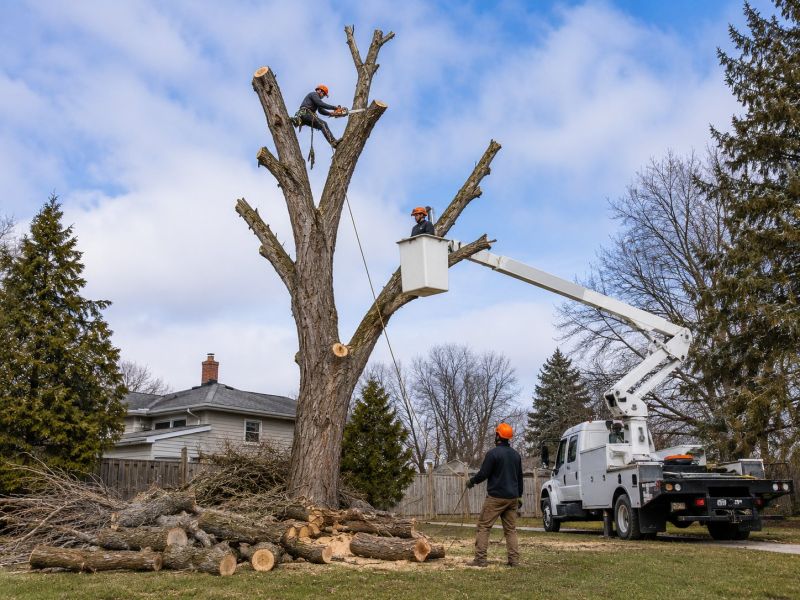
Tree Removal For Safety
Removing hazardous or damaged trees helps protect properties and residents in duluth, mn.
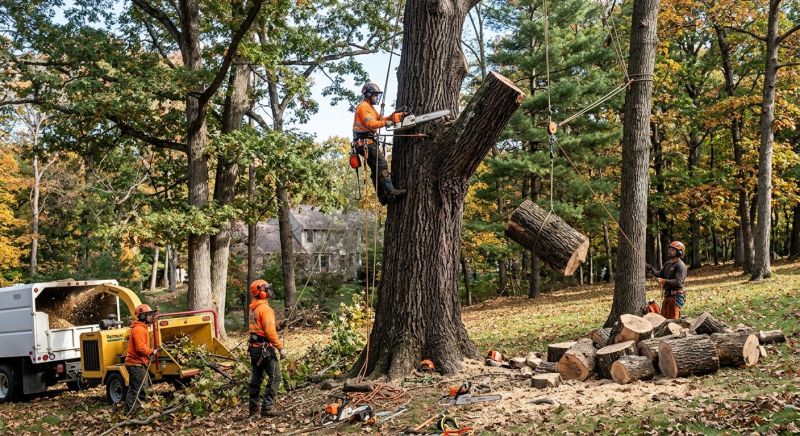
Clearing Space For Landscaping
Tree removal can create open areas for new landscaping or construction projects.
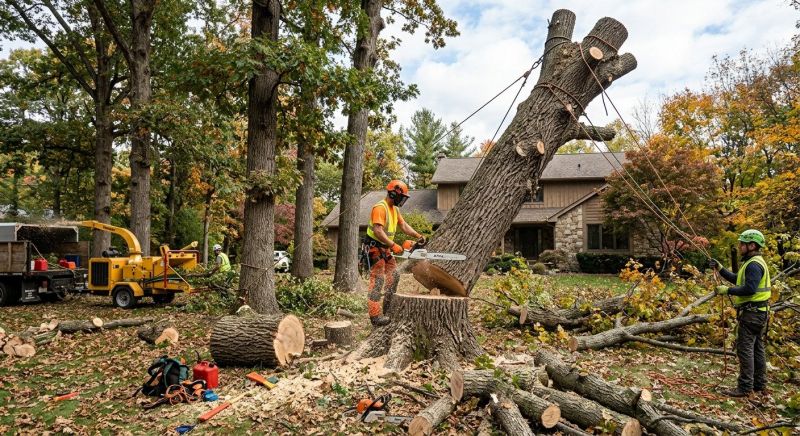
Maintaining Property Aesthetics
Selective tree removal enhances the visual appeal and overall health of your landscape.
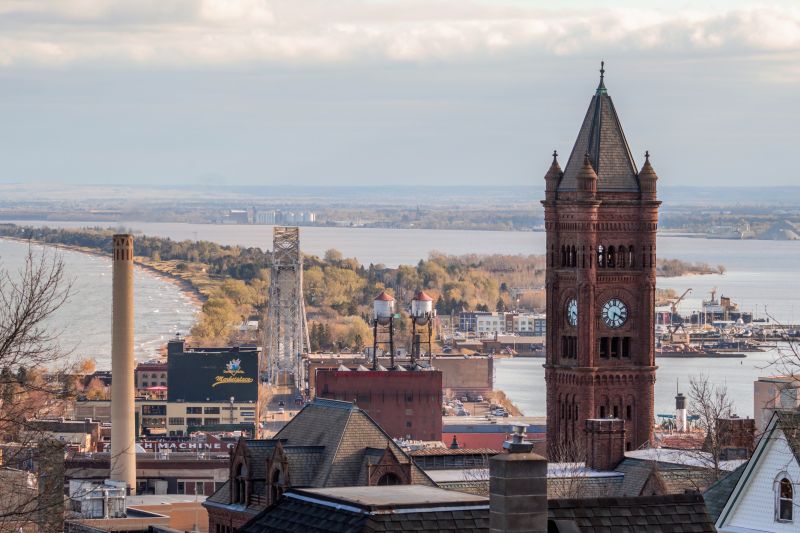
Hickory Tree Removal in Duluth, MN
Hickory tree removal services involve the careful and efficient elimination of unwanted or hazardous trees from residential properties. This process is often requested for trees that are diseased, damaged, or pose a risk to structures, power lines, or safety. Projects can range from removing a single problematic tree to clearing entire areas for new landscaping or construction. Property owners typically want to understand the scope of work involved, including how the tree will be removed, what equipment will be used, and how the site will be cleaned afterward.
Before requesting hickory tree removal, property owners usually seek information about the size and location of the tree, as well as any potential challenges such as proximity to buildings or utilities. It’s also helpful to know if the tree has multiple trunks or extensive root systems that could affect the removal process. Clear communication about these details can help ensure the project is completed safely and efficiently, with minimal disruption to the surrounding landscape.
Many property owners in Duluth, MN look into Hickory Tree Removal for repairs, replacements, upgrades, and appearance-related improvements.
Common Hickory Tree Removal Jobs
Tree removal - safely eliminates hazardous or unwanted trees from residential properties.
Stump grinding - clears remaining stumps to improve landscape appearance and safety.
Emergency tree removal - responds to storm damage or urgent hazards promptly.
Selective pruning - maintains tree health and shapes trees for aesthetic appeal.
Deadwood removal - reduces risk by removing weak or dying branches.
Tree thinning - improves air flow and reduces stress on trees during storms.
Hickory Tree Removal Questions
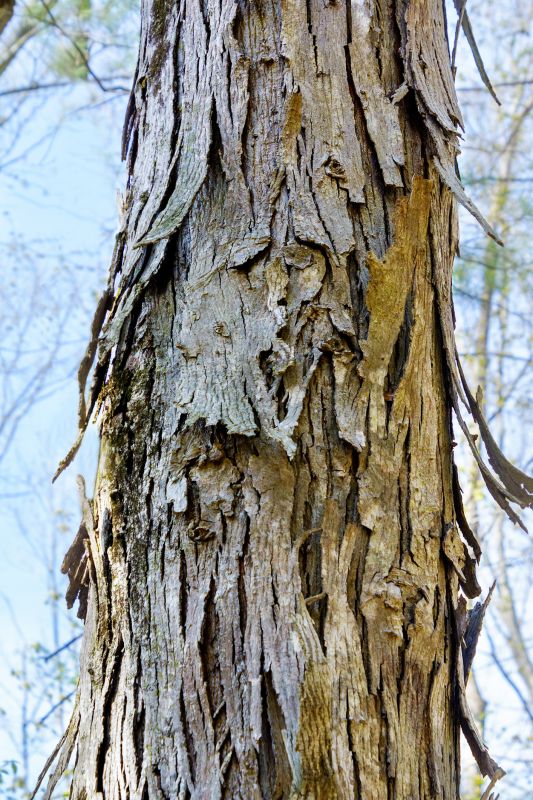
What types of trees can be removed? Hickory tree removal services handle a variety of tree types, including damaged, diseased, or unwanted hickories on residential properties.
Why remove a hickory tree? Removal may be necessary due to safety concerns, disease, storm damage, or to clear space for landscaping or construction projects.
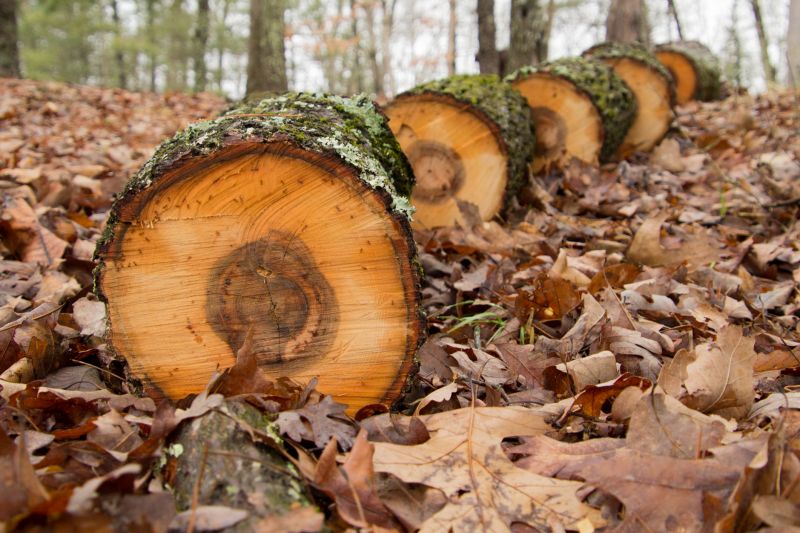
Is stump grinding included after tree removal? Stump grinding is often offered as part of the removal process to eliminate the remaining tree trunk and roots.
How can I tell if a hickory tree needs removal? Signs include large dead branches, leaning structure, extensive decay, or visible damage that could pose a risk to property or safety.
Request Hickory Tree Removal in Duluth, MN
Use the quote form on this page to share the basics of your project and request more information for the type of work you need.